Voice
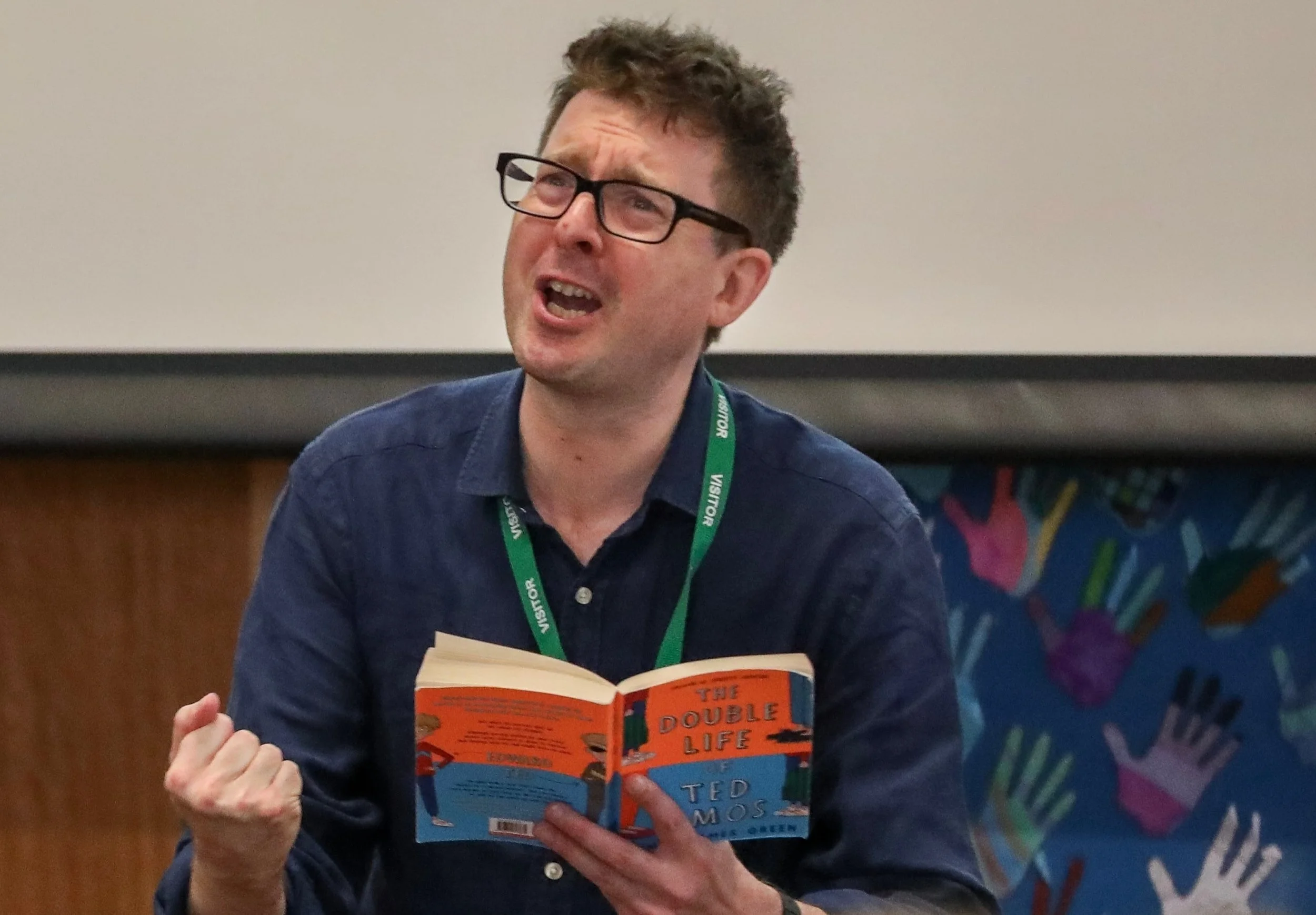
Voice … I use mine far too much. Thank god for VocalZone.
Voice. It’s the mystery element which apparently holds the key to publishing success but, like alchemy, it can be hard to pin down exactly what it is and how it works. I’m not saying I have the definitive answer, but here’s what it means to me, and it comes in three distinct forms.
Character Voice
Probably the easiest to understand – this is literally how your characters sound on the page. This will be impacted by your choice of vocabulary, use of slang, sentence length, grammatical and stylistic choices, and use of pauses. My aim here is for each character to be so distinct, a reader knows automatically who they are without me having to add a dialogue tag at the end. If you’ve read the book, you’ll probably know who this is:
“Tea’s lovely. I love tea. Good old British tea!”
“I LOVE palindromic numbers!”
“Nice, Mother. Charming. You’re a shining beacon of selflessness and charity.”
And, if you don’t know, it’s dear old Noah, of course! His obsession and nervous energy around “tea”, technical mathematical terms like ‘palindromic’ and his obvious sarcastic tone towards his mother are all unmistakably him. Contrast Josh Lewis from the same book:
“Cheer up, bro! …in the future, we’ll keep the banter between ourselves, yeah?”
… and hopefully you can see how the use of some more informal language, whilst simple, can make all the difference when establishing character voice.
Physicality is part of this too – because ‘voice’ doesn’t have to be just how a character literally speaks. Silence can say just as much as any words can – and actions often speak louder than words. How someone walks into a room can tell a reader immediately who this person is and what they are like.
Book Voice
This might also be called ‘tone’ and every book has one – I think of it as a feeling, a vibe. Noah Can’t Even has a very different tone to Boy Like Me, for example, the former being quite anarchic and fast-paced, and the latter being more reflective. Ditto, Sleepover Takeover and Finn Jones Was Here – both middle grade, both funny, but very different in tone. This can be impacted by the narrative voice, of course, and it can also be influenced by subject matter and genre. Different books from the same author will often be unmistakably ‘them’ but can often also have a different ‘voice’ from book to book.
Author Voice
This is the big one. And also the hardest to pin down. This is the personal element that you bring to the story. It’s your take on the world. The stuff you want to say. It’s entirely unique – which is why it doesn’t matter if two authors have a similar story idea – their personal take on it will make it sufficiently different, almost every time.
For me, your author voice is the sum total of everything in your life which has brought you to this place – all the ups and downs, the highs and lows, the heartbreaks, the good times and the bad. It’s the challenges you’ve faced, the tears, the screams of joy, and all the bits in between. Age can sometimes help you here, but really, it’s about life experience – and that’s something which defies age. You need to work out what your values are, what you want to say, and how you want to say it. Your voice can be hard to find – harder still to be brave enough to use it – it’s exposing, after all, to be that real in front of strangers. One of the best ways of finding your voice is by using it – write. Write anything. Play with ideas and characters. Let them speak on the page without judging or worrying where it’s heading. See what themes crop up time and again, or what techniques you keep returning to. For me, it’s usually the use of comedy in some form, but it’s also a love of the underdog, and of the awkward. I hope, if you pick up any of my books, you’ll find an element to them which is unmistakably me.
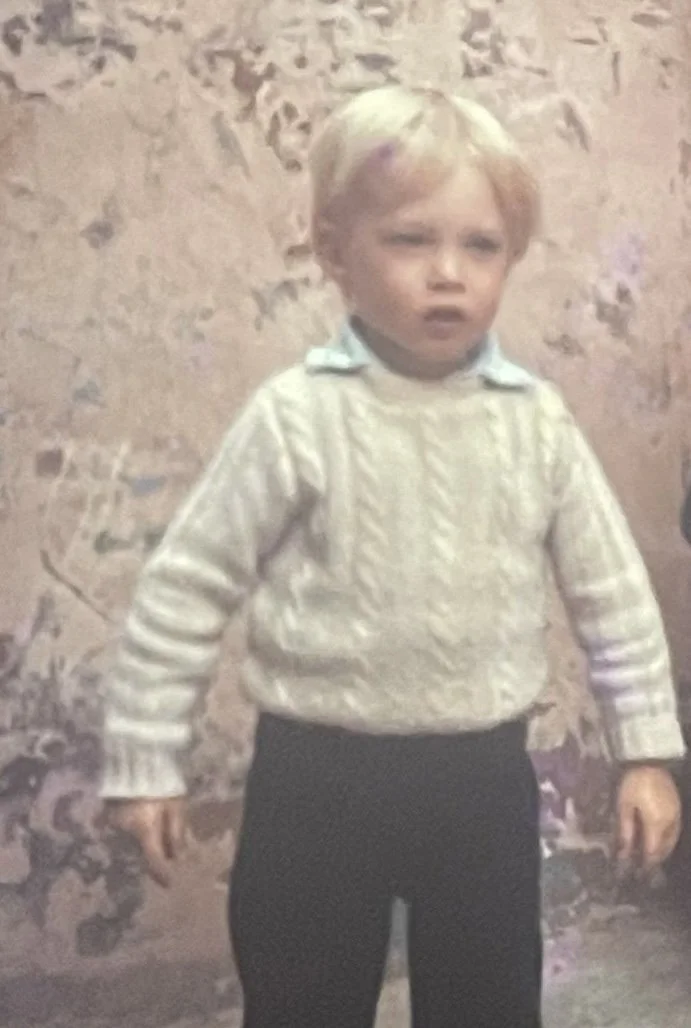
All your experiences, since you were little! (Yep, I did have a serial killer vibe as a toddler!)
This is not the same as saying you have to add deeply private detail into your work which you’d rather keep that way. You absolutely do not. But everything that has happened in your life, whether you want to share it or not, is still part of you. What I’m really saying is, get to know yourself really bloody well because it’s you who is going to make this story compelling for readers. You’ve got a story – we all have – you’ve had experiences no one else has – use that to your advantage and let’s hear your voice.