A decade of Noah (Almost!)
Almost a decade after it was first published, my debut novel, Noah Can’t Even, has a new edition with a brand-new cover. I couldn’t be happier that my first book is still relevant, and still selling, after nearly ten years.
Noah is my best selling title to date – it was published in Poland, France and Brazil, and it was optioned for TV. It was long-listed for the Branford Boase award, (which recognised the brilliance of my editor, Linas Alsenas), won Wirral Paperback of the Year, and was shortlisted for a bunch of other school book awards (which are the best, because it’s the students voting, not adults who invariably pick what they think kids should read, rather than what they actually enjoy).
I was lucky to get a lot of interest when this book was subbed, both from agents and editors, but we still had some people who declared ‘boy books don’t sell!’ and turned it down for that reason. A disappointing response (and utter bullshit actually) because they absolutely can sell and can appeal to boy readers, as well as plenty of girls too.
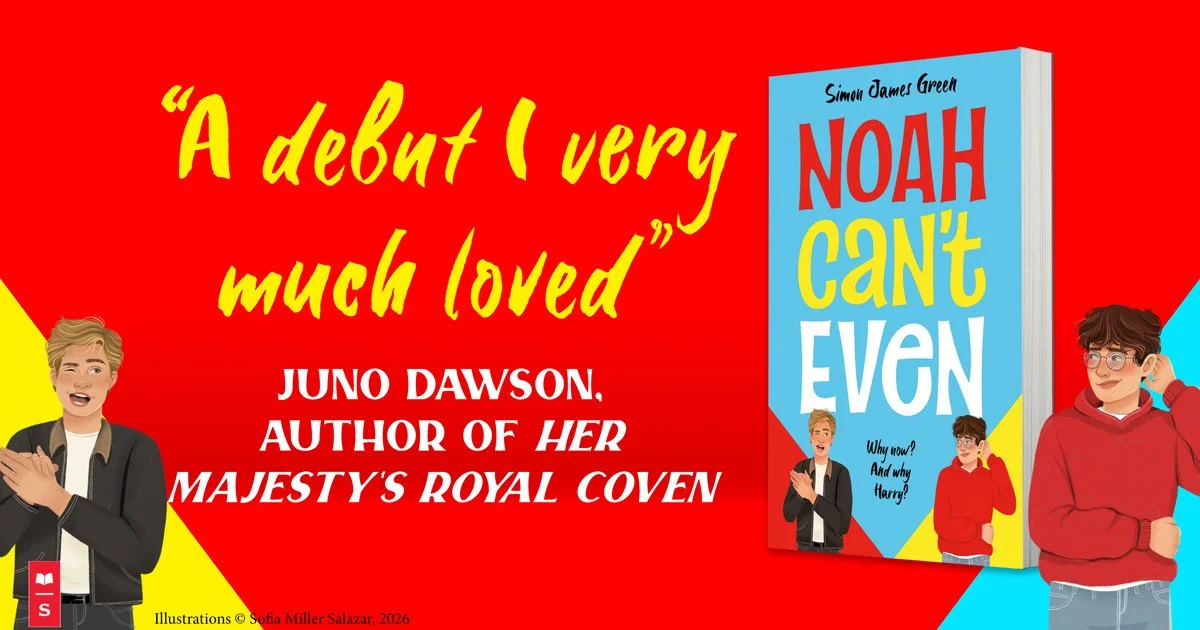
Kind words from pal, Juno Dawson!
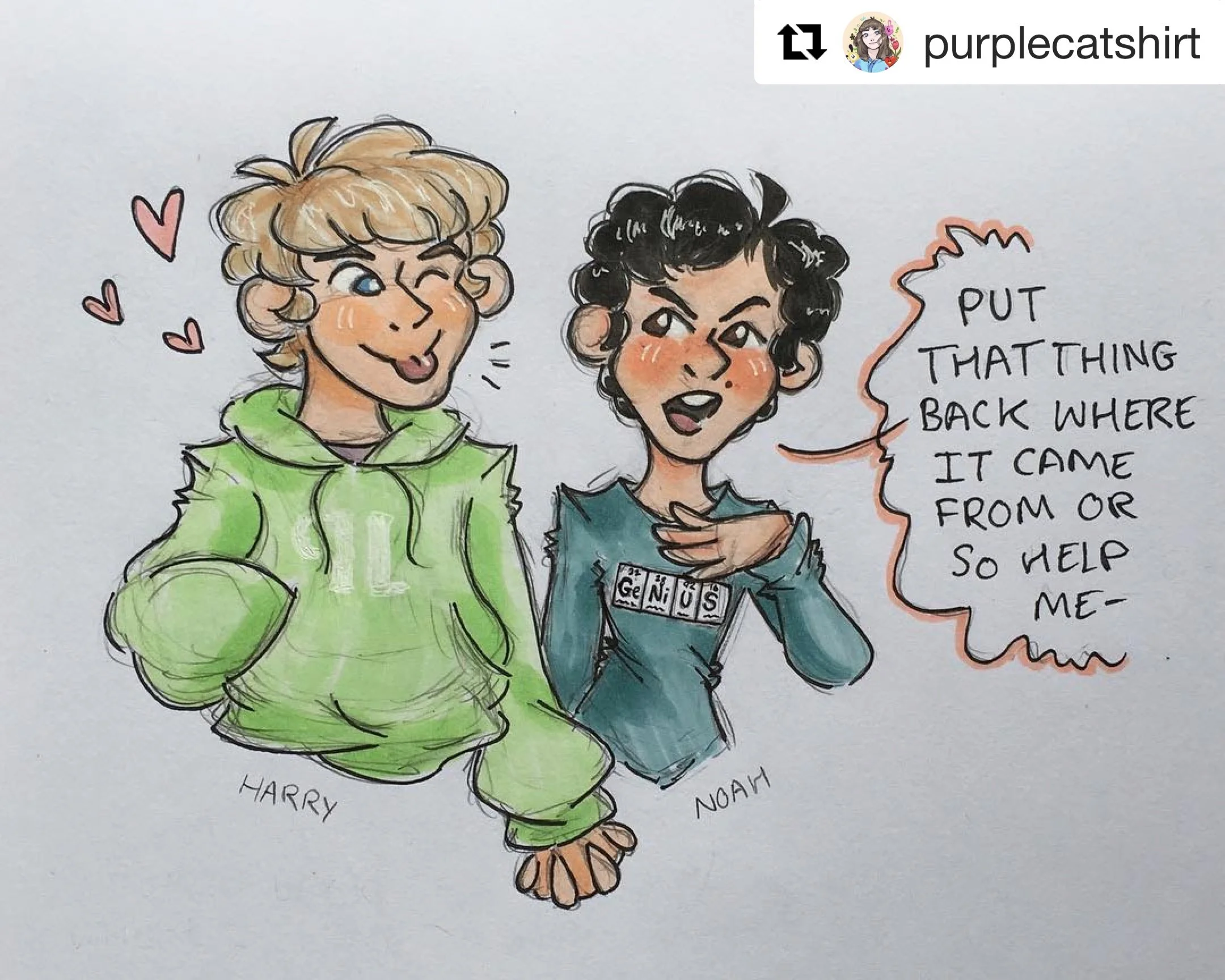
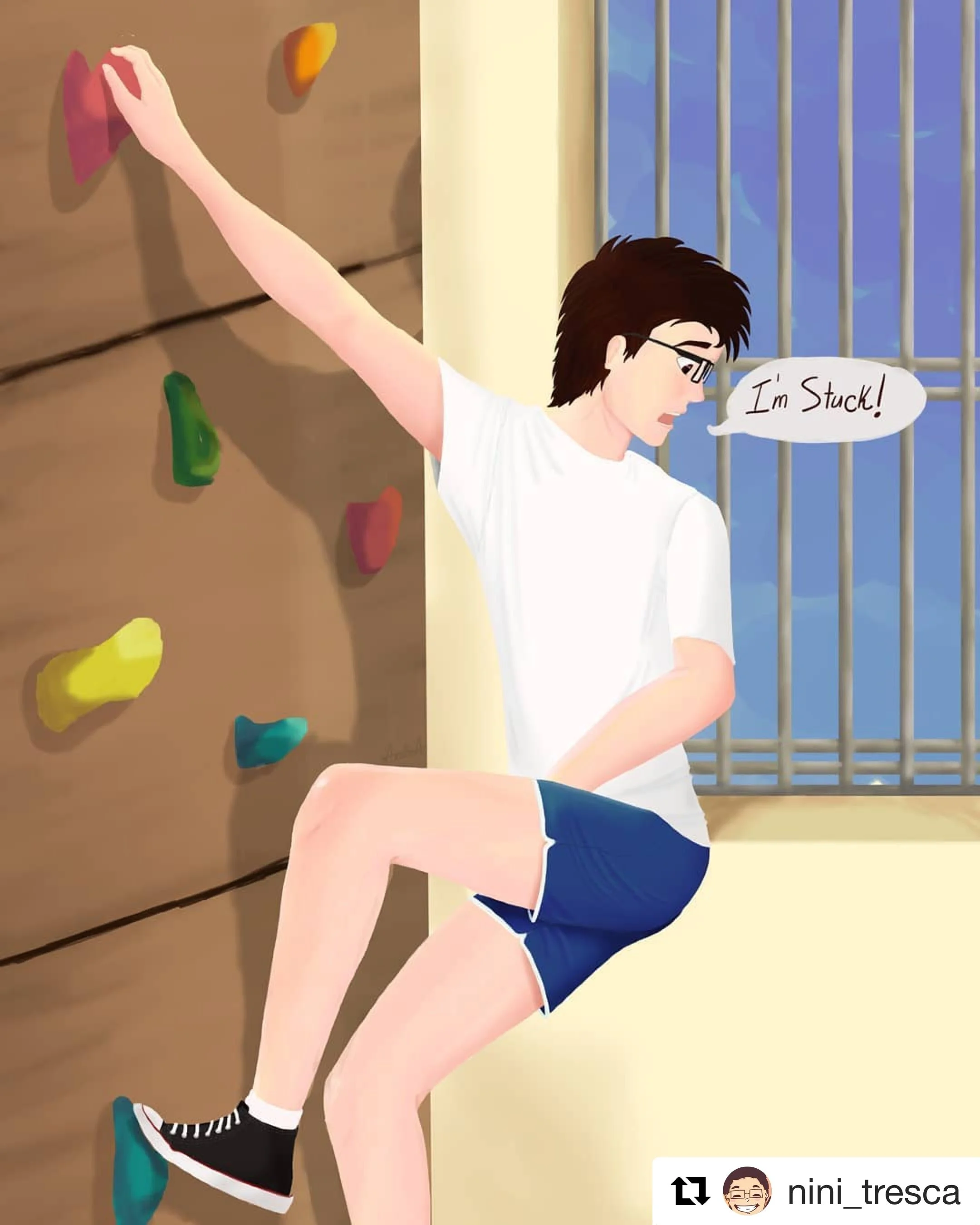
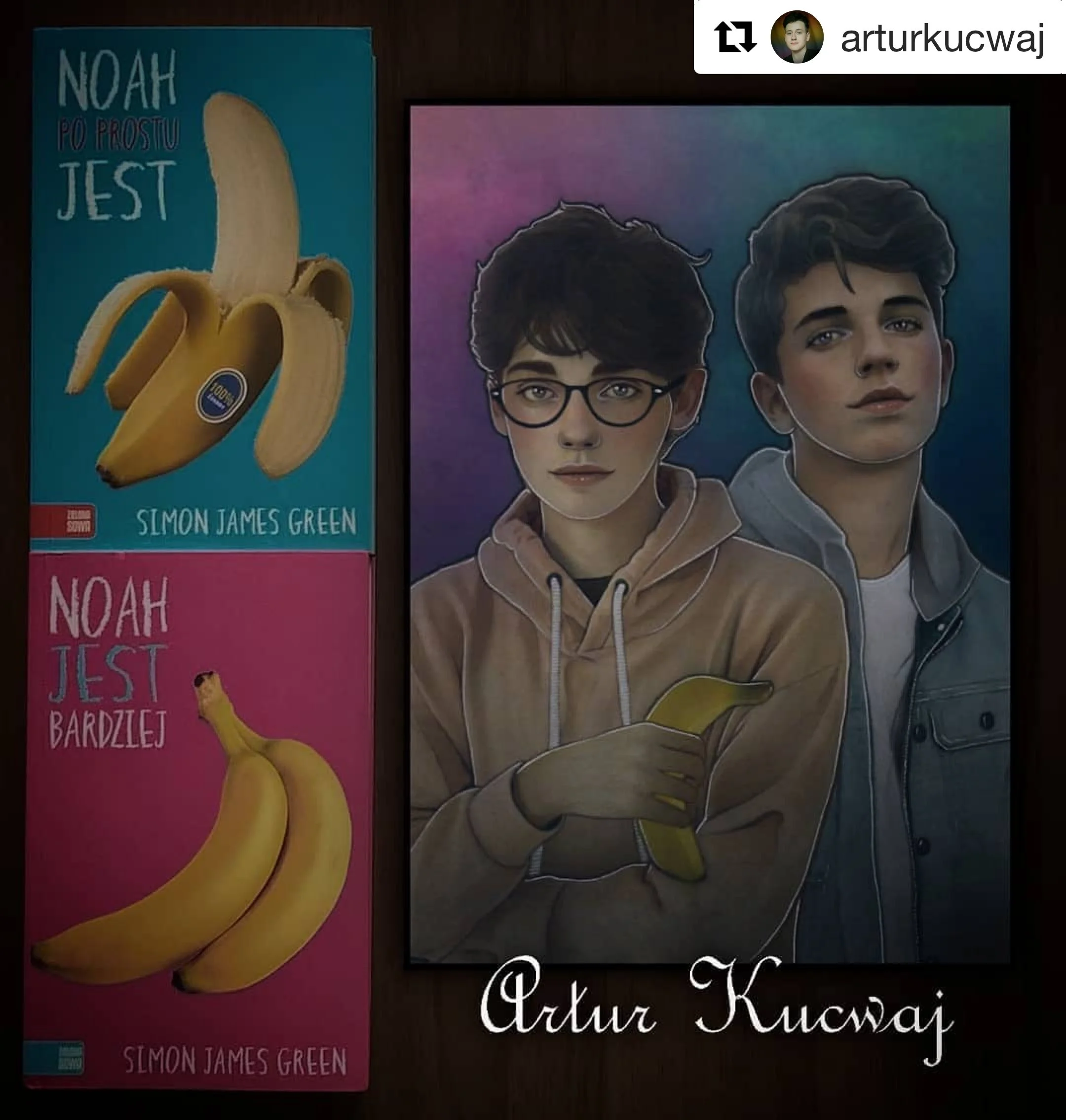
While it’s true Noah isn’t a global number one bestseller, for a geeky, LGBTQ+ book with a very British sensibility, it’s done incredibly well. Out of all the books I talk about during school visits, it’s Noah the students want to read. It’s used by multiple schools around the UK as a whole form group read, meaning they get their Year 9 students (usually) to read it during form time, with their tutors. It’s also found a very loyal readership amongst lots of adults, of all ages, from all around the world. From India to the US, Australia to Brazil, I get so many messages, even now, from adults who have read Noah and loved it. And hey, if you get my sense of humour, then you’re my sort of person, so thank you. (And huge thanks for all the fan art over the years, like this…)

Anyway, I’ve been reflecting on why dear old Noah is so popular.
Why is a book about a nerdy, 15-year-old boy discovering his sexuality, and coming out, so popular amongst LGBT and straight students alike? Why do ‘the lads’ in Year 9 and 10 want to have a pic with me at the end of my events about Noah? Why, when I return to a school years later, do I get mobbed by 16-year-old boys who remember my visit from two years ago and want to say how much they love the book? I don’t think it’s complicated.
Because it’s damn good fun.
It’s a YA novel which does not take itself seriously. It talks about sexuality, but it isn’t didactic. It’s hilarious. Even if I do say so myself. The plot is outrageous and deliberately constructed like a soap opera on acid to keep readers (especially reluctant ones) hooked with the twists. In Noah’s case, ‘fun’ means funny and fast-paced. Fun can also mean thrilling, scary, or immersive world-building too. Fun can take many forms, but being ‘fun’ is crucial.
And it’s naughty and a little bit rude.
The students I meet love that. They love the swearing, and mild sexual content, because it resonates. It’s how they talk with their mates. It’s some of the stuff they think about and do, in some cases. Adults with their heads in the sand about the realities of teenage life might clutch their pearls, but the truth is, Noah is popular because, crazy plot aside, it’s essentially very real. If the teenage characters in books don’t sound like real teenagers, why would real teenagers want to read about them? I roll my eyes when I see ‘Content Advisory’ warnings on YA books because of swearing. Have you ever met an average 13-year-old?
Because I wrote the book that I wanted (and needed) to read when I was their age.
It’s a tough time, secondary school. There’s a lot going on. Friendship, fitting in, popularity, sexuality, liking people (as in liking people) for the first time … these are universal themes whatever era you’re growing up in. Everyone needs books that speak to that experience – and tackling those topics with humour is, I think, incredibly important. Because if we didn’t laugh, we’d almost certainly cry.
There were a lot of people who helped. Sam Mills, Catherine Coe, Jenny Glencross, Imogen Cooper and the team at Golden Egg Academy, Jo Moult at Skylark Literary, Linas Alsenas, the brilliant team at Scholastic, a fabulous crew of librarians who took Noah under their wing and championed him with their students, and a host of enthusiastic early readers and booksellers who got the word out. I will be forever grateful to you all.
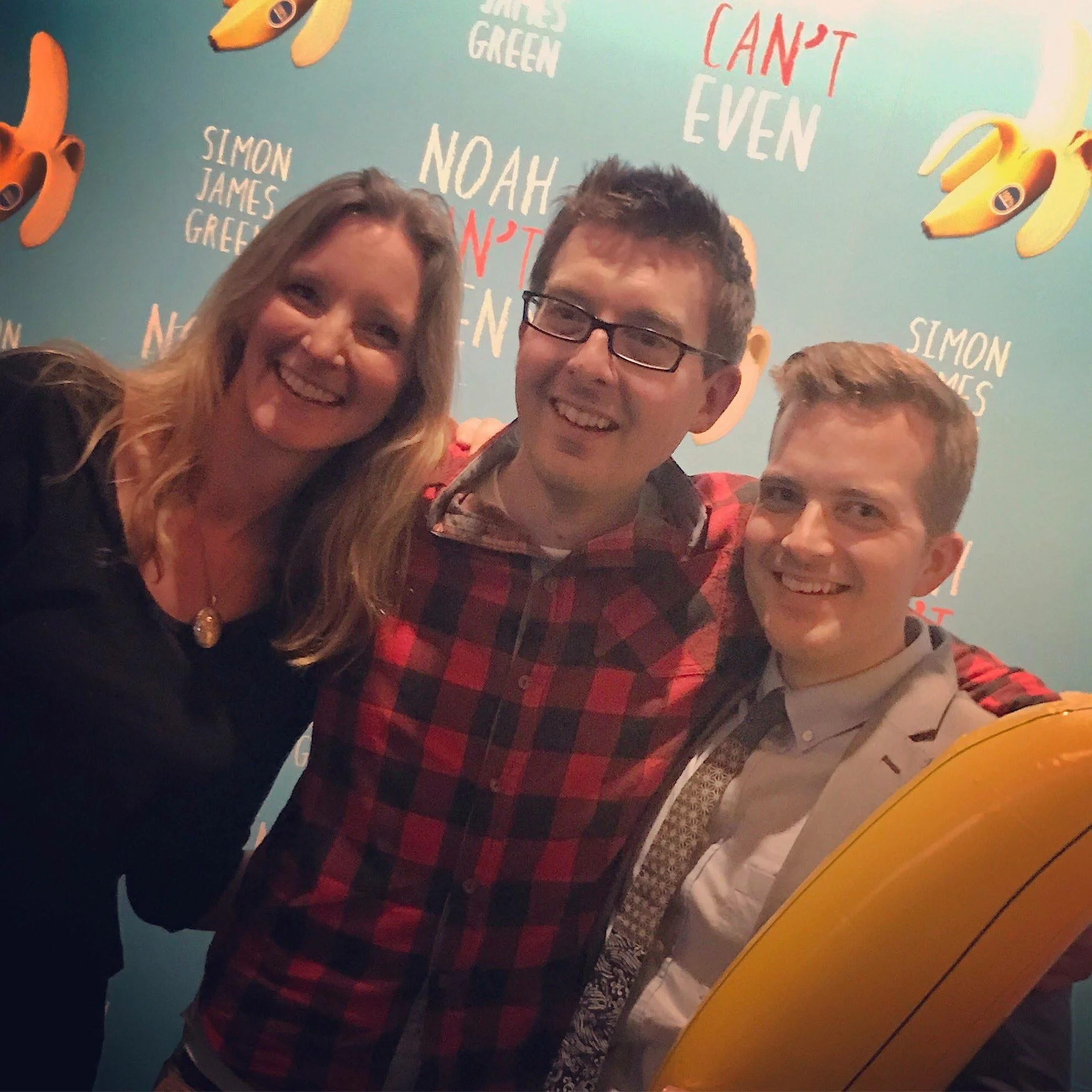
At the Noah Can’t Even launch with Jo Moult and Linas Alsenas
But, in all the noise of publishing, and at a time when so many people are talking about the decline in literacy, getting young people to read, and reading for pleasure, I’m reminded of a simple thing when I look back at the success of Noah.
Make the books fun.
Make the books relatable.
That’s how you get people reading.